

As the world shifts towards cleaner and more sustainable power, alternative energy sources have become essential in reducing our dependence on fossil fuels. From solar power to geothermal energy, these green technologies offer promising solutions for electricity, heating, and more. In this post, we’ll explore the most effective alternative energy options available today, highlighting their advantages, challenges, and modern advancements.
Solar Power: Harnessing the Sun’s Energy
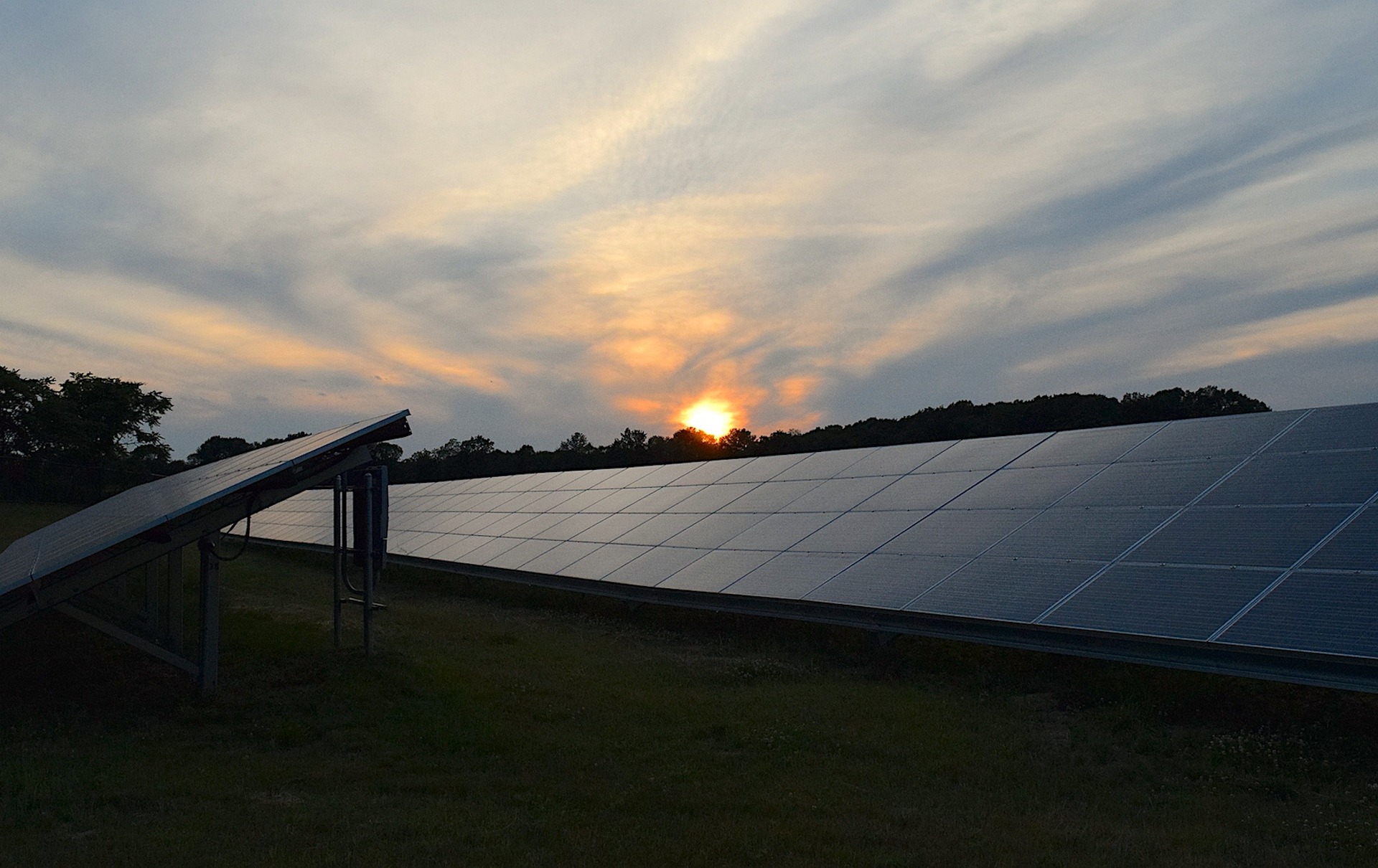
Solar energy is one of the fastest-growing and most accessible forms of alternative energy. It utilizes photovoltaic (PV) cells that convert sunlight directly into electricity. Innovations in solar technology have made panels increasingly affordable and efficient.
Key Benefits of Solar Energy
- Clean and Renewable: Solar power produces no emissions, making it an environmentally friendly energy source.
- Versatile Applications: Solar energy can be used for generating electricity, heating spaces, and producing hot water.
- Decreasing Costs: Advances in PV technology and mass production continue to drive down installation costs.
Despite these advantages, solar energy’s intermittent nature means energy storage solutions like batteries are critical to ensure power availability during cloudy days and nighttime.
Wind Energy: Capturing Nature’s Kinetic Power
Wind energy has attracted substantial investment globally due to its efficiency and scalability. Modern wind turbines, often arranged in wind farms, convert wind’s kinetic energy into electricity.
Why Choose Wind Power?
- Renewable and Abundant: Wind is a free and inexhaustible resource in many regions.
- Cost-Effective: Advances in turbine design have reduced costs, making wind competitive with traditional power sources.
- Scalable Installations: From large wind farms to smaller turbines, wind energy can suit various needs.
However, wind energy depends on consistent wind speeds. On calm days, supplemental power from the grid or storage solutions is necessary to maintain supply.
Hydroelectric Power: Energy from Flowing Water
Hydroelectric energy leverages the movement of water, typically from rivers or dams, to generate electricity through turbines. It remains a significant renewable power source worldwide.
The Advantages and Challenges of Hydroelectricity
- Reliable Power Generation: Provides steady electricity by controlling water flow.
- Widely Available: Many regions have accessible water sources suitable for hydro turbines.
- Environmental Considerations: Large dams can impact ecosystems and require significant investment and maintenance.
- Small-Scale Solutions: Run-of-river systems offer sustainable power for smaller communities without the need for dams.
Geothermal Energy: Tapping Into Earth’s Internal Heat
Geothermal energy utilizes heat from beneath the Earth’s surface to produce electricity and provide heating. This steady, reliable energy source is often overlooked despite its potential.
Types of Geothermal Power Plants
- Dry Steam Plants: Use steam directly from geothermal reservoirs to drive turbines.
- Flash Steam Plants: Convert high-pressure hot water into steam for electricity generation.
- Binary Cycle Plants: Utilize lower temperature water to heat a secondary fluid that vaporizes and drives turbines.
Geothermal plants provide a consistent power supply without the variability issues that solar and wind face, making them an excellent complement to other renewable sources.
Conclusion: Building a Diverse Renewable Energy Future
Alternative energy sources like solar, wind, hydro, and geothermal each offer unique benefits and challenges. Combining multiple renewable technologies enables a more reliable and sustainable energy infrastructure. Continued innovation, supportive policies, and investment in energy storage will accelerate the transition to a cleaner, greener future.
