
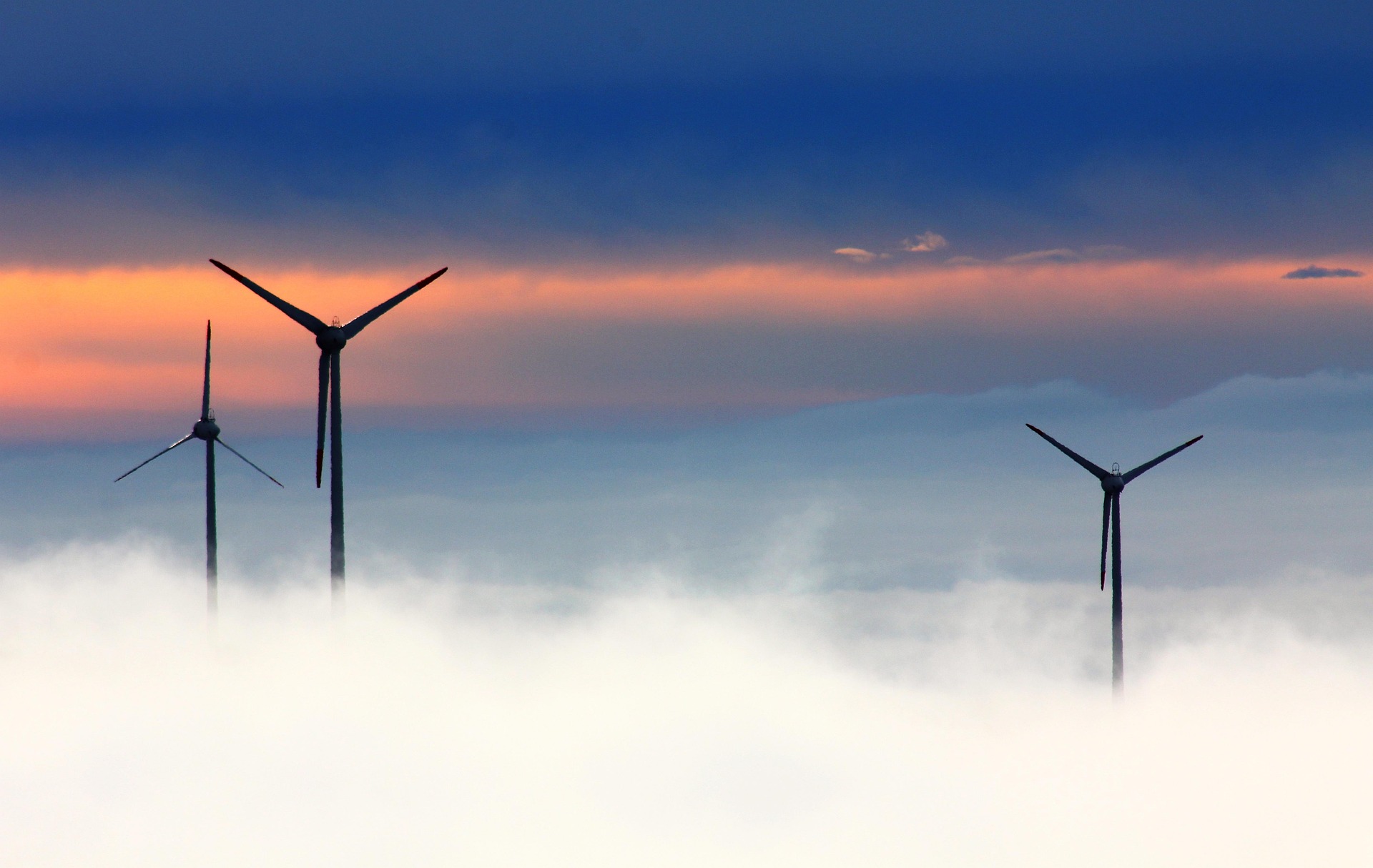

As energy costs continue to rise and environmental concerns grow, wind power has emerged as a reliable, cost-effective alternative to traditional electricity sources. Using wind turbines to generate electricity not only reduces monthly utility bills but also promotes energy independence and sustainability. This post explores the benefits of wind power, the incentives available, and why it’s becoming an increasingly attractive energy option for homeowners and businesses alike.
The Economic Benefits of Wind Power
While connecting to the local electric grid may seem cheaper upfront, investing in wind power pays off significantly in the long run. Here’s why:
- Zero Fuel Costs: Wind is a free and abundant resource, unlike fossil fuels which fluctuate in price and availability.
- Lower Operational Costs: Once installed, wind turbines require minimal maintenance and no ongoing fuel expenses.
- Falling Installation Prices: Advances in technology and higher demand have made wind turbine installation more affordable.
- Energy Independence: Generating your own power reduces reliance on utility companies and protects you from rising electric bills.
Environmental and Social Motivations Driving Wind Energy Adoption
More homeowners and businesses are turning to wind energy not just for financial reasons, but also for these key factors:
- Reducing Carbon Footprints: Wind energy produces clean electricity without greenhouse gas emissions.
- Living Off-Grid: Wind turbines enable rural and remote living with modern comforts, without dependence on traditional power lines.
- Political and Security Concerns: Avoiding fossil fuels minimizes vulnerabilities associated with oil supply disruptions and grid attacks.
Government Incentives and Net Metering
In many regions, adopting wind power is made more affordable through government programs and policies:
- Tax Breaks and Rebates: Nearly 30 states offer financial incentives that can cover up to 50% of the costs for green energy systems.
- Net Metering Policies: In over 35 states, homeowners can sell excess wind-generated electricity back to the grid at retail prices, potentially turning a profit.
These incentives greatly reduce the payback period of installing a wind turbine and encourage more people to switch to renewable energy.
Challenges and Industry Perspectives
Despite clear benefits, some challenges remain in widespread wind power adoption:
- Regulatory Variations: Incentive programs vary by state, with limited federal mandate, leading to inconsistent support nationwide.
- Utility Company Concerns: Some utilities argue that paying retail rates for customer-generated electricity cuts into their profits, preferring wholesale rates instead.
However, experts emphasize that distributed wind power enhances grid stability and provides high-quality energy. Increasing wind energy use ultimately benefits both consumers and power systems.
Conclusion
Wind power stands out as a sustainable, increasingly affordable solution to meet growing energy needs. With zero fuel costs, supportive incentives, and strong environmental advantages, harnessing wind energy empowers homeowners and businesses alike to reduce expenses, gain energy independence, and contribute to a cleaner future.
Whether you live in an urban area with net metering options or in a remote location off the grid, exploring wind power is a smart step toward energy security and sustainability.
