
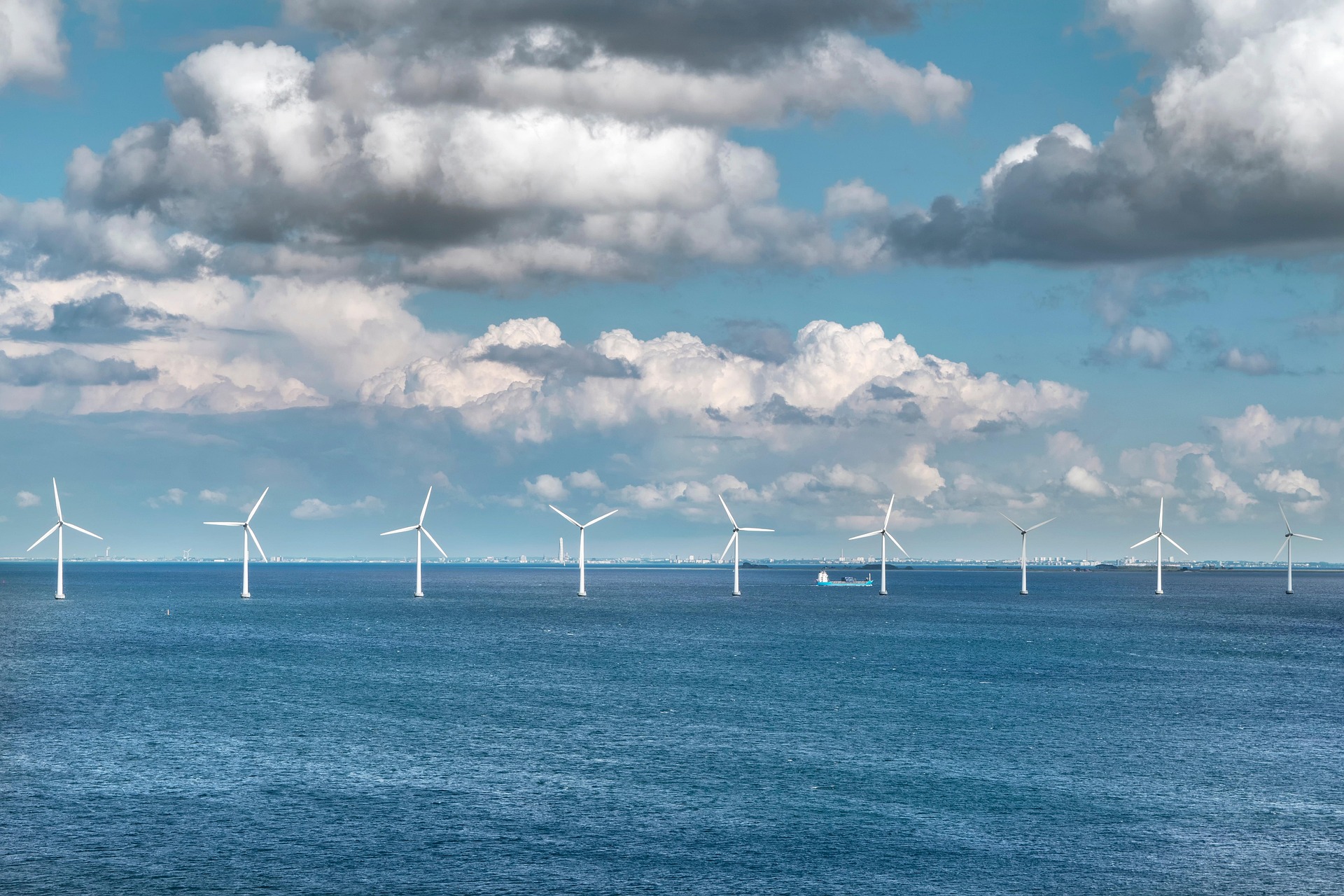

Renewable fuels are transforming the landscape of alternative energy worldwide. From pioneering governmental policies to cutting-edge scientific research, these clean energy sources are reshaping how we produce and consume power. In this post, we explore leading renewable fuel initiatives, highlight breakthroughs in biofuels, and discuss the untapped potential of geothermal energy.
Germany’s Renewable Energy Revolution
Germany has emerged as a global leader in renewable energy, driven by innovative policies and robust investment. Their electricity feed-in laws have empowered homeowners and businesses to generate renewable power and sell excess electricity back to the grid at retail prices. This economic incentive has significantly accelerated the adoption of renewable technologies across the country.
Key Achievements
- Investment of billions in wind turbines, biogas plants, and solar panels
- World-class growth in operational solar and biogas installations
- Renewable sources supplying approximately 10% of the nation’s total electricity
- Wide-scale deployment of solar energy systems, with rapid yearly increases
Thanks to these efforts, Germany consistently ranks among the top countries worldwide in renewable energy production, serving as a compelling model for others.
Advancements in Biofuels Research in the United States
Biofuels are a vital part of the alternative energy mix, especially for transportation. In the US, leading energy corporations and universities collaborate to push the boundaries of biofuel technology.
BP’s Energy Biosciences Institute
BP has established the Energy Biosciences Institute (EBI) in partnership with the University of Illinois Urbana-Champaign. This initiative focuses on:
- Developing new biofuel crops optimized for higher yield and sustainability
- Innovating agricultural systems designed to efficiently produce biofuel feedstocks
- Using genetic engineering to improve biofuel crop performance
- Creating technologies for converting heavy hydrocarbons into clean, efficient fuels
With significant funding backing these efforts, the EBI exemplifies the commitment to developing renewable fuels that reduce environmental impact and enhance energy security.
The Untapped Potential of Geothermal Energy
Geothermal energy offers a clean, cost-effective, and abundant source of renewable power, yet it remains underutilized, particularly in the United States.
Challenges and Opportunities
Advocates like the Geothermal Energy Association (GEA) emphasize the need for increased federal research and public awareness. Several respected organizations support expanding geothermal research funding, including:
- The National Research Council
- The Western Governors’ Association Clean Energy Task Force
- The Massachusetts Institute of Technology (MIT)
Geothermal energy is already more affordable per kilowatt-hour than traditional coal and is readily accessible just miles beneath the earth’s surface. Successful companies such as Ormat demonstrate the economic viability of geothermal power, generating billions annually and operating globally.
Conclusion: Embracing Renewable Fuels for a Sustainable Future
The momentum behind renewable fuels—from Germany’s policy-driven successes to cutting-edge biofuel research and the promising prospects of geothermal energy—illustrates a clear path forward for sustainable energy development. Governments, industries, and consumers alike have a vital role to play in accelerating the transition to cleaner, more reliable, and affordable energy sources.
By investing in renewable fuels and supporting innovative technologies, we can build a resilient energy future that benefits the environment, spurs economic growth, and ensures energy security for generations to come.
