

As the world shifts towards sustainable living, alternative energy sources have become essential for reducing dependence on fossil fuels and minimizing environmental impact. Harnessing renewable energy not only helps combat climate change but also promotes energy security and innovation. This article explores the prominent types of alternative energy, their benefits, and ongoing advancements shaping the future of power generation.
What Is Alternative Energy?
Alternative energy refers to power generated from sources that are renewable, environmentally friendly, and largely sustainable. Unlike traditional fossil fuels, these energy sources produce little to no pollution and have a significantly lower carbon footprint. By investing in alternative energy technologies, we can transition to cleaner, more efficient power systems.
Key Types of Alternative Energy
Wind Energy
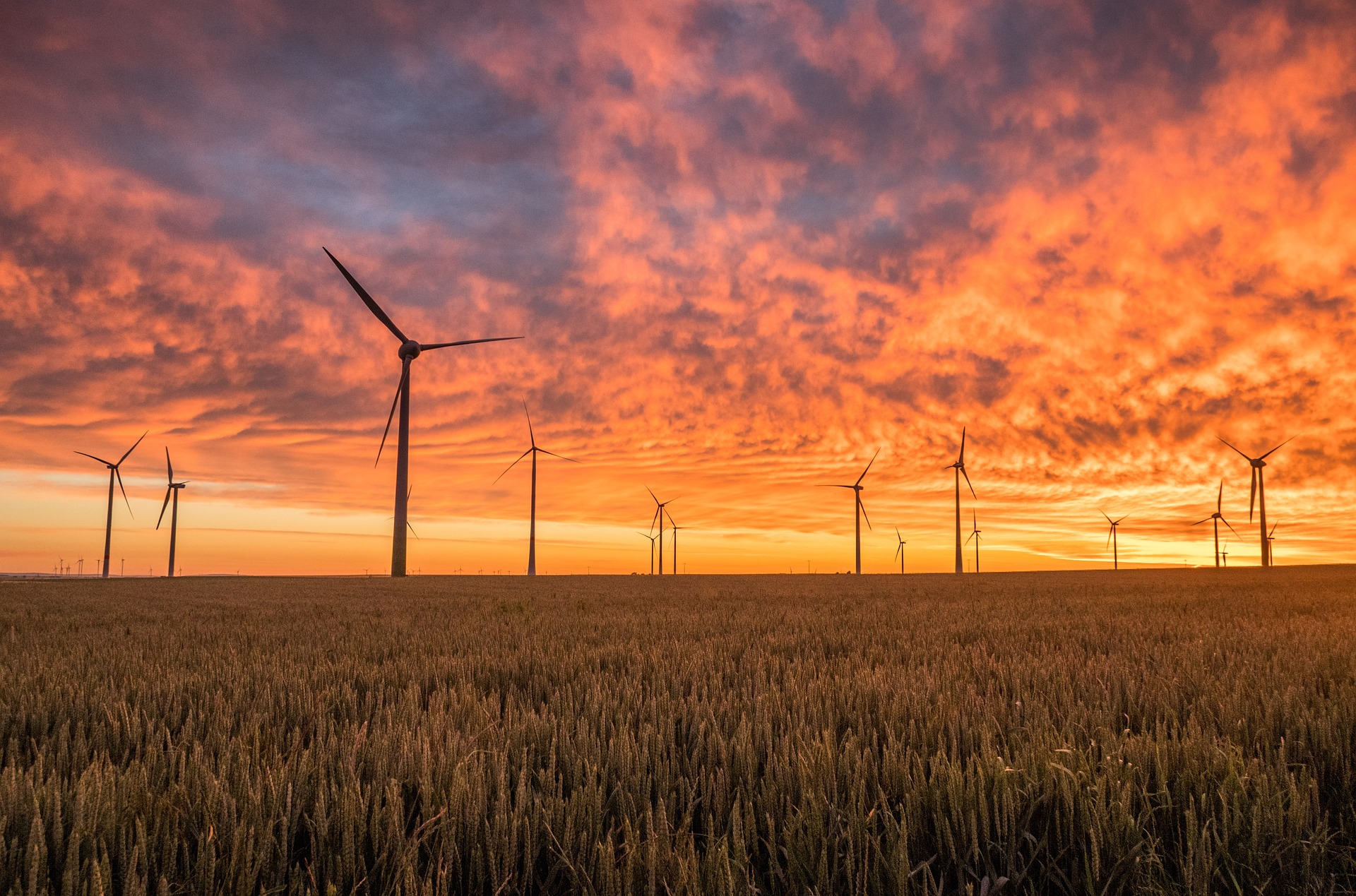
Wind power harnesses the natural movement of air using turbines to generate electricity. Modern wind turbines are becoming increasingly efficient and cost-effective. Strategic placement of wind farms minimizes impact on wildlife, making this one of the fastest-growing renewable energy sectors worldwide.
- Wind farms contribute considerably to national electricity grids.
- Innovations continue to enhance turbine design and energy capture.
- Offshore wind farms offer potential for even greater energy generation.
Solar Energy
Solar power converts sunlight into electricity through solar panels or uses solar thermal systems to produce hot water. It is one of the cleanest energy sources, producing zero emissions during operation.
- Widely accessible for residential and commercial applications.
- Technological improvements have lowered installation costs.
- Energy storage advancements enable better management of solar power.
Ocean Wave Energy
Ocean wave energy uses the motion of sea waves to generate electricity. Countries with extensive coastlines are investing in wave energy projects due to its vast potential.
- Experimental plants in Europe demonstrate promising results.
- Wave energy provides consistent, renewable power with minimal emissions.
- Emerging technologies continue to improve efficiency and durability.
Hydroelectric Power
Hydroelectricity generates power by using flowing water to drive turbines. While large dams produce significant energy, small-scale “run-of-the-river” plants are growing in popularity due to environmental and geographical constraints.
- Reliable and renewable with low operational costs.
- Environmental considerations encourage smaller, localized projects.
- Integration with other renewables boosts grid stability.
Geothermal Energy
Geothermal power taps into the earth’s heat stored beneath the surface to generate electricity and provide heating. This energy source is steady and available regardless of weather.
- Produces consistent base-load power with a small environmental footprint.
- Active research aims to expand geothermal accessibility globally.
- Suitable for heating applications in addition to electricity generation.
Waste-to-Energy Technologies
Waste gas energy captures methane from landfills and other waste sources to generate fuel and electricity. This practice turns harmful emissions into valuable resources.
- Reduces greenhouse gas emissions from waste storage.
- Methane can be used in fuel cells or conventional generators.
- Supports circular economy by converting waste to energy.
Biofuels: Ethanol and Biodiesel
Biofuels are produced from organic materials like crops and plant oils, offering renewable alternatives to gasoline and diesel.
- Ethanol is commonly derived from corn, sugarcane, and other crops. It is used mainly as a gasoline additive or substitute.
- Biodiesel is created from vegetable oils such as soybean and sunflower oil, burning cleaner than conventional diesel fuel.
- Continuous improvements in production methods increase biofuels’ economic viability.
Nuclear Energy
Nuclear power plants generate electricity through nuclear fission, producing large amounts of energy without greenhouse gas emissions. While efficient, nuclear energy requires careful management of radioactive waste.
- Provides stable, high-capacity electricity generation.
- Advanced reactor designs aim to improve safety and reduce waste.
